
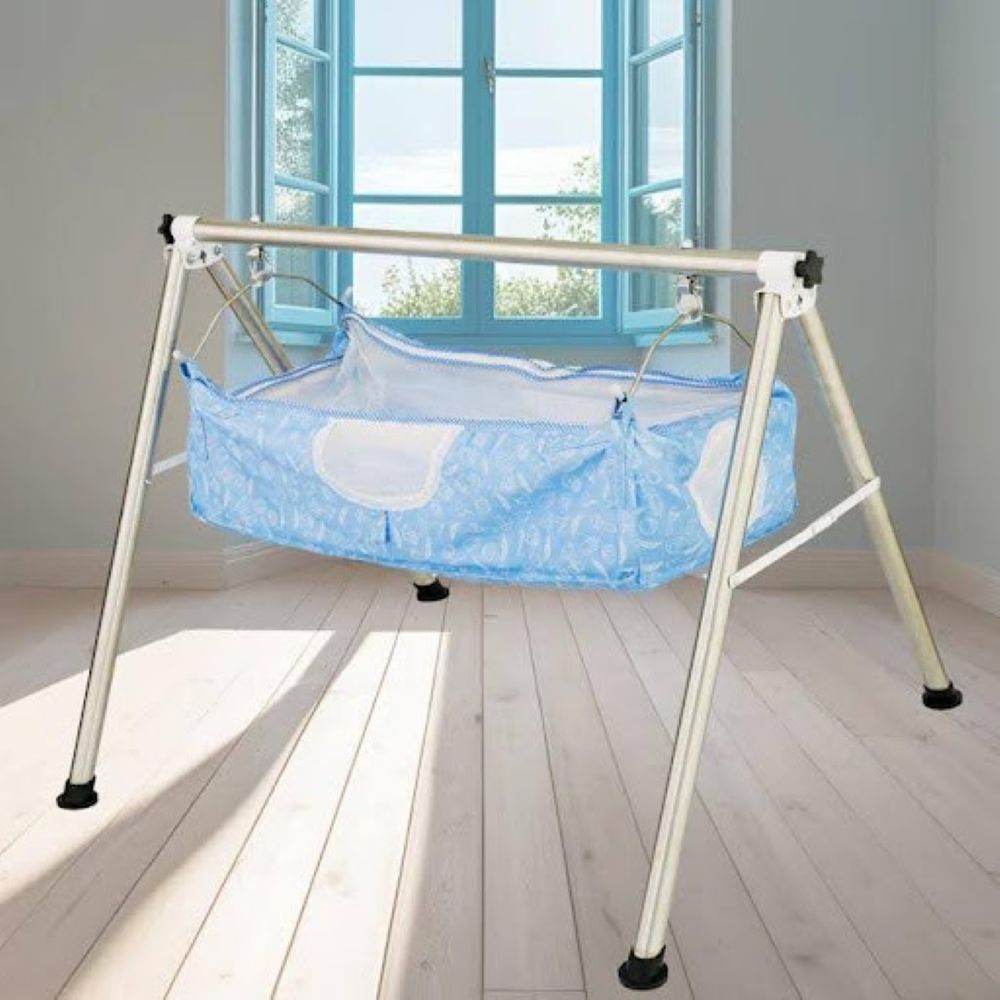
New born sleep can be tricky, and each baby prefers something different. Still, many families agree that a baby cradle offers the gentle comfort babies naturally love. Its slow rocking and snug design help them feel calm and secure.
A baby cradle does more than hold your baby—it works with their natural sleep instincts. If you’ve ever rocked a baby in your arms and watched them drift off, you already know the feeling it recreates. Let’s look at why a baby cradle is so effective and what parents should think about when choosing the best baby cradle for their home.
The Comfort Of Rhythmic Motion
For newborns, life outside the womb can feel huge and strange. They’ve spent months in soft, steady movement, so rocking feels natural and comforting. A baby cradle recreates that feeling with slow, smooth motion. This rhythm helps calm their tiny nervous system and makes falling asleep easier.
The soft rocking works well during those fussy evenings or daytime nap times when your baby is sleepy but struggling to relax. It won’t take the place of your arms or your soothing, but it offers support that can make calming them much easier.
A Cozy, Secure Sleeping Environment
A baby cradle makes a cozy, enclosed spot for your baby, giving them a bit of that “held” feeling without being too tight. And honestly, most babies do sleep better when they don’t feel like they’re lying out in the open where every little thing can startle them.
Balance is really the main thing here. A good baby cradle gives them space to move a little while still keeping things warm and cozy. That helps stop all the restlessness and usually leads to longer naps, especially early on when babies don’t have steady sleep patterns yet.
Helps Establish A Predictable Routine
Babies tend to settle better when things are consistent. Using the baby cradle at the same times every day gives them a clear “okay, time to rest” message. With time, that turns into a more stable sleep pattern.
A lot of people set the baby cradle in a calm corner so the baby can rest without interruptions. It turns into a familiar sleep zone, and the baby slowly figures out what’s coming. That kind of routine really helps build healthy sleep habits that stick.
Breathable, Supportive Design Matters
You want the baby cradle cozy, but not mushy. The mattress needs to be firm for safety. Make sure it’s breathable too. Babies can’t handle temperature changes like we do. Airflow keeps them relaxed.
Pick fabric that’s soft on the skin. Easy to take off and easy to wash. Babies spill, drool, spit up, quick cleaning really helps parents save time.
Gentle Rocking Can Ease Gas And Discomfort
Ugh, babies and their tummies… they get gassy, or sometimes a little ache, and then suddenly they’re just fussy. Nap time? Forget it. That’s when the baby cradle helps… just a little rocking, slow, back and forth. It’s not gonna fix the tummy, but it calms them down enough so they can rest. That’s really all you can hope for sometimes.
A few minutes of gentle rocking. Usually enough to settle the baby. After feeding, or during evening fussiness. Simple, natural, not too much stimulation.
A Helpful Tool During Light Sleep Cycles
Babies rarely sleep deeply for long. Their cycles are short. They wake more often than you expect. A baby cradle helps with that. The motion, or even just the familiar space, can stop them from fully waking and make it easier to fall asleep again.
It helps a lot for daytime naps. Babies get easily disturbed by noises or anything different around them.
Safe Sleeping Practices Still Matter
A cradle can help your baby sleep, but it really depends on how you use it. The mattress should be firm, and the fabric snug — you don’t want anything loose. And yeah, don’t put pillows or blankets or stuffed animals in there. Babies don’t need that stuff, and honestly, it can make sleep unsafe. Just keeping it simple usually works.
Always check that the baby cradle is stable, especially when placing your baby inside or taking them out. A strong base and smooth rocking mechanism help prevent sudden movements.
When To Transition Out Of A Baby Cradle
Most babies don’t stay in a baby cradle past three to five months — it really depends on how active or big they are. If your little one starts rolling, pushing up, or showing more strength, that’s the sign it’s time for a bigger sleeping spot with higher walls. Safer that way before they start trying to move too much.
The baby cradle is best for those early weeks. Babies crave being close, the gentle back-and-forth motion, and a cozy little space to feel safe.
Making Baby Sleep Easier With The Right Baby Cradle
Cradles can be really comforting and practical. Babies get a cozy little spot to rest, it helps them settle naturally, and it makes it easier to set up a rhythm at home. Pick the right one, and the best baby cradle gives safety, comfort, and simple daily convenience for both baby and parent.
If you’re exploring options that fit these needs, check out the best baby cradle collection at TinyTyke.