We are shoppers, and we are always seeking ways to find the most attractive bargains and save some money. In this day and age, that means using shopping delivery services whenever possible.
Delivery services from retailers can provide substantial savings on products like shoes, clothing, household goods, clothing and many more. This guide will give an overview of the retail delivery options available, as well as how they operate and what advantages they provide consumers.
If you are aware of the options you have and utilize shopping delivery services if needed, you can save money and time while shopping.
What is The Definition Of Retail Delivery?
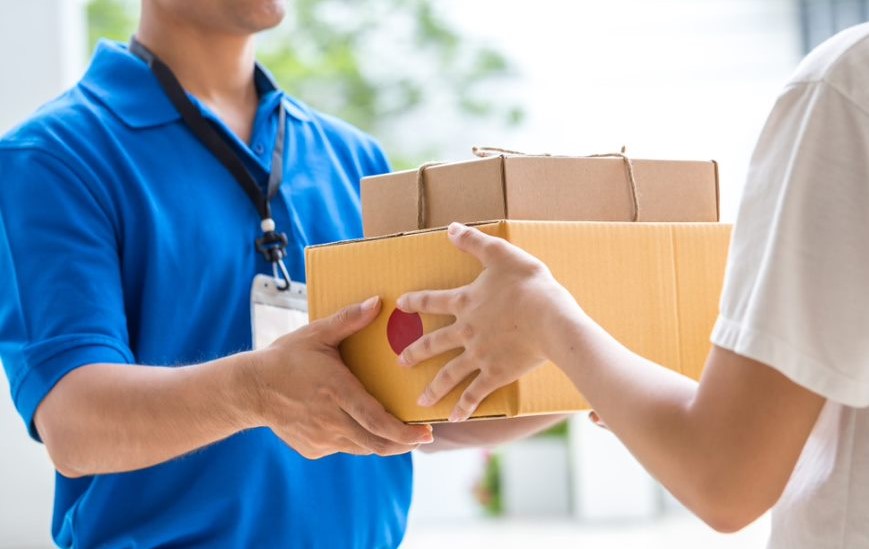
In the retail sector, delivery is the act of delivering goods from a retail store or another point of sale to the doorstep of the customer. Delivery services for retail are offered by the retailer or an outside delivery service. There are numerous benefits when you use a retail delivery service.
Perhaps the most obvious advantage is that it can save the customer from a trip to the shop. This is especially beneficial for those living in rural areas that are rural or who are unable to get to the shop. It is also beneficial to busy shoppers who do not have the time to shop during regular store hours.
Another advantage of delivery enables retailers to reach a larger audience. Customers who may not be in a position to visit the store may still be able to purchase products and have them delivered. This is a great option to increase sales and grow the number of customers.
Different Types Of Retail Delivery Services
Last Mile Delivery
“The ‘last mile’ in logistics is usually thought of as the most important and, in addition, the most challenging part in the process of delivery. The final mile is the last step to moving products from the distribution center to a customer’s doorstep.
Although it could appear to be a straightforward job, there are a number of variables that could make last-mile delivery a challenge.
One of the major challenges of delivery last mile is the distance the goods must travel. In a lot of instances, the final mile may be the longest portion of the journey. This could make it difficult to ensure prompt, effective delivery.
Another problem with last-mile deliveries is the sheer number of stops that have to be completed. Most of the time, every delivery needs to be made to a specified address, which may require several stops on the route. This could add a significant amount of time and expense in the process of delivery.
On-Demand Delivery
On-demand delivery is a method that allows customers to place orders for items and have them delivered within a specified time. This kind is becoming more popular in recent times due to its the convenience of a flexible and convenient service for clients.
There are advantages and disadvantages of on-demand delivery that must be considered prior to using this kind of service.
One of the major benefits of delivery on demand is that it’s convenient for consumers. This kind of delivery permits customers to purchase products and have them delivered within a specific timeframe that can be as quick as one hour. It means that consumers are able to get the items they require without having to leave their offices or homes.
In addition, on-demand delivery can be utilized for purchases that need to be made in the last minute since it’s quicker than traditional methods of shipping. However, there are a few negatives to on-demand delivery, which must be considered too.
One of the biggest drawbacks of this kind of delivery service is that it may be more costly than traditional methods of shipping. This is because on-demand delivery companies typically cost more for their services.
In addition, on-demand delivery may be less secure than traditional shipping methods because it depends upon the presence of a driver. There are also delays when it comes to delivery on demand, since it may take a while for drivers to locate and collect orders.
White Glove Service
If your company is in search of furniture or other large objects, a white-glove service is a solution that comes with numerous advantages.
In this kind of service, a company will not just deliver the product to the customer’s doorstep but also remove it and place it in the preferred location. This is a fantastic option for those who don’t possess the necessary time and skills to complete the task themselves.
Furthermore, a white-glove service is also a way to protect delicate items from being damaged during normal transport and shipping. However, there are certain disadvantages that could be associated with employing a white-glove service.
It is first and foremost higher priced than regular delivery and shipping services. This is because it requires additional staff as well as resources to disassemble and reassemble the items. Additionally, there is always a chance that something may happen during the delivery process that could cause damage to the item or even injuries to the delivery team.
Click and Collect
There are many benefits for Click as well as Collect services.
It is, first of all, extremely easy for customers to use the service as they can place orders on the internet and pick them to the store on a date that works for their schedule. This means that they won’t need to wait around for deliveries or worry about their items getting stolen from their homes.
Additionally, Click and Collect services will save companies money since they don’t need to pay delivery fees.
Additionally, Click and Collect can assist in increasing footfall at stores, as customers stop in to collect their items. However, there are certain disadvantages associated with Click as well as Collect services.
Purchase online, Pick Up In Store
Buy Online Buy Online, pick up In Store (BOPIS) is an option for shopping that allows customers to buy items on the internet to pick up in store at any time they want.
This service is available through numerous merchants and has been more popular in recent times. There are numerous benefits to making use of BOPIS, which include the capability to cut down on time and costs.
But there are negatives to take into consideration before making use of this service. One of the biggest advantages of BOPIS is its time savings. Customers can shop whenever they want and go to pick up their items whenever it’s convenient for them.
This is an excellent alternative for busy people who don’t have the time to wait in line in a shop and wait around for goods for delivery. Another benefit of BOPIS is the amount of money it will save.
Customers often get lower prices online than in a physical store. This is due to the fact that retailers don’t have to cover the costs of running a physical shop for rent or utilities.
Challenges In Retail Delivery
Real-Time Visibility
One of the most difficult tasks in this context is ensuring that products are delivered on time and in an effective manner. This is where real-time visibility is crucial. Real-time visibility allows you to monitor and track what happens to goods through the entire delivery process, from beginning to end.
It’s an important feature for businesses that wish to make sure that their customers are pleased and their operations are running seamlessly and effectively. In reality, real-time visibility can be much more complicated to implement than it appears.
Retailers are faced with a complex network of shippers, suppliers,s and third-party logistics companies (3PLs), each of which may employ different methods and techniques. This makes it challenging to monitor goods and obtain clear information about the location of goods at any time.
High Delivery Costs
It’s no secret that delivery can be difficult. The high cost of delivery is one of the main barriers to success. Retailers are often forced to pay the costs of delivery, which can cut into profits. Customers may also not be willing to pay for expensive delivery charges, which could limit sales.
There are ways to conquer these difficulties. One strategy is to offer free shipping with the purchase of a minimum amount or for all purchases. This could entice customers to buy more and help pay for shipping.
Another option is offering local pickup services, which could reduce delivery costs. In addition, retailers can collaborate with delivery providers to secure the lowest prices possible.
Delays
The retail delivery landscape has become more competitive than it ever was. To keep ahead of the pack, retailers are looking to the latest technology to get an advantage. One sector that has seen significant investments is delivery.
Retailers are trying to provide speedier and better delivery services to keep up with the demands of modern consumers. But, as they strive to offer faster delivery, they’re faced with many problems.
One of the most difficult tasks is managing delays. The reason for delays can be many causes, including bad weather or traffic congestion. Whatever the reason, the delay could havea huge impact on businesses in retail.
In the event of delays, they can cause loss of sales, since customers might choose a competitor who will deliver faster. Additionally, delays could result in increased costs for businesses, since they need to cover additional employees or vehicles to compensate for the delay.
Route Optimization
The need for the delivery from home of both goods and services continues to increase, retailers are increasingly difficult for retailers to improve their delivery routes. This is exacerbated by the fact that a lot of retailers operate from numerous locations. Each of which has a distinct set of challenges to delivery.
Many factors should be considered when planning delivery routes, such as the patterns of traffic, distance, and the frequency of delivery stops. Retailers must also take into consideration the kind of product that is being delivered, since certain items might necessitate special handling and may be subject to limitations on delivery dates.
Route optimization is a complicated task that requires a meticulous plan and execution. Retailers that can improve their delivery routes are better able to increase their efficiency and profit.
Last Mile Delivery
The final mile of delivery to the retail store is the most crucial, and it is also the most difficult.
Retailers must make sure that their goods are delivered to the doorsteps of their customers promptly and efficiently. However, the last step of delivery often requires navigating through busy city streets and traffic. This can result in delays, damaged goods, and angry customers.
To meet these challenges To overcome these challenges, retailers are increasingly looking to technological solutions that will help them enhance their delivery services in the last mile. Tracking GPS, as an instance,e can assist retailers in tracking their drivers’ progress as well as make sure that the products are delivered in time.
Software for planning routes can help improve delivery routes so that they do not cause traffic jams. Real-time monitoring of delivery status will ensure that customers are informed about how their package is performing.
Conclusion
After you’ve learned about the various kinds of delivery services for retail that are available It’s time to determine which one is right for your company.
Be aware that every type of item has its own advantages and disadvantages. So, carefully take into consideration your requirements prior to making a choice. If you have any questions after going through this guide, we are here to assist you!